


Tartrazine, a synthetic azo dye that is water-soluble, belongs to the group of quinoline yellow colors. It is the primary color of synthetic food pigments, and it’s the most commonly used food dye in the world.
This pigment is a stable and distinct Tartrazine colour that has been used for more than a century in the cosmetics, food and pharmaceutical industries.
Tartrazine, unlike yellow pigments extracted naturally, is manufactured by chemical synthesis. This gives it many advantages, such as low price, bright color and high stability. It also has a strong coloring power.
Tartrazine is highly water soluble and dissolves easily in water, forming a bright, transparent yellow solution. It is a strong pigment that can mix with other colors. For example, it can be mixed to create green by mixing with blue pigments and with orange pigments by mixing with red pigments. It is widely used in the food industry because of its characteristics.
Tartrazine is able to maintain a stable color under acidic and alkaline conditions, as well as light or heat. This is a feature that few natural pigments can match. Tartrazine is not a lemon-based pigment, despite the name.
Tartrazine production is a multistep chemical synthesis that takes place mainly in chemical plants. The specific production process may vary from one manufacturer to another, but it follows a similar chemical reaction pathway.
The following steps can be used to roughly divide the manufacturing process:
1.Diazotization reaction
Diazonium salts can be produced by reacting the phenylhydrazine with sodium nitrite and sulfonic acid under acidic conditions. This step should be carried out at low temperatures in order to achieve a controlled and stable reaction.
2. Coupling reaction
Combine the diazoniumsulfate produced in the first step with dihydroxytartaric acids or their derivatives. This step is critical in forming Tartrazine’s chemical structure and requires strict control of pH and temperature.
3. Purification and Separation
Tartrazine precipitates by adjusting pH after the reaction has completed. Separate the crude product by filtration, washing and other steps.
4. Standardization and refinement
Tartrazine crude must be purified further, typically by recrystallization, or by chromatographic separation, to remove impurities, unreacted materials, and by-products. The final product has to meet the purity standards set by food additive regulations across various countries.
5. Drying and packaging
Tartrazine is purified by sprinkling or vacuuming the solution to produce a powdered or granular product. The finished product is then packaged and sealed in order to prevent moisture absorption.
To ensure the product is of food-grade quality, it’s important to maintain strict quality control throughout the entire production process. Modern production processes are also focused on reducing the environmental impact of production by optimizing reactions, recovering by-products and solvents, and achieving a more sustainable production.
Tartrazine, as a common synthetic pigment, is safe for most people to consume in moderation on a daily basis, and only specific populations or excessive intake may have potential effects.
How do regulatory agencies view it?
Whether it is the World Health Organization, the US FDA, or China’s food safety regulatory authorities, they all recognize the safety of Tartrazine within the prescribed scope of use.
Internationally, the daily allowable intake has been clearly defined, and based on body weight, it is not a problem for adults to not exceed 7.5 milligrams per kilogram of body weight per day.
China has also included it in the list of allowed additives and set clear limits on the maximum usage in different foods, such as beverages and candies.
However, there are also reminders from various countries, such as the United States requiring food and drugs containing Tartrazine to be clearly labeled for easy identification by sensitive populations.
What situations need to be noted?
The content of Tartrazine in processed foods that most people usually eat is very low and far from harmful, but there are several situations that need to be paid attention to:
A small number of people may be allergic, such as those with a history of asthma or sensitivity to aspirin, who may experience rashes, nasal congestion, or asthma attacks. These groups of people should be avoided.
Some studies have suggested that Tartrazine may be associated with children’s lack of concentration and hyperactivity, so the European Union requires food containing such pigments to be labeled with relevant warnings, and parents should try to minimize the consumption of brightly colored processed snacks for their children.
Patients with phenylketonuria should be aware that Tartrazine metabolism produces a small amount of benzoic acid. Although the amount is small, it is best for these patients to avoid ingestion.
Legitimate food will not exceed the standard, but some unscrupulous merchants may use it beyond the scope. For example, Tartrazine should not be added to tea and soy products. If it is detected, it will be considered an unqualified product and cannot be eaten.
How to eat more confidently in daily life?
Actually, there’s no need to worry too much. ‘Dose determines toxicity’ is the key, and it’s difficult to exceed the limit with a normal diet.
For example, a regular lemon flavored beverage with Tartrazine content of about 5-10 milligrams, adults need to drink more than 50 cans per day to reach the safe limit, which is simply not achievable in daily life.
When choosing snacks for children, try to choose those with light colors and clean ingredient lists, and avoid candies, candied fruits, and puffed foods with particularly bright colors.
Whether adults or children, don’t just eat processed foods for a long time. Eat more fresh fruits, vegetables, and natural ingredients, and diversify your diet to reduce the intake of various additives.
Tartrazine is commonly used in many common products due to its bright color, resistance to discoloration, and low cost. Knowing which things may contain it, we can also have a clearer understanding of what we want to choose when buying
These common products may include Tartrazine
1.Food and drink
Beverages: Lemon flavored, orange flavored, pineapple flavored soda, fruit juice, as well as some sports drinks, energy drinks, often with Tartrazine added to make the color more enticing.
Candy and sweets: hard candy, gummies, marshmallows, chewing gum, as well as sugar coating on chocolate, decorative candy on cakes, and many bright yellow styles may be available.
Baked goods: Cream on cakes, patterned cookies, and fillings in pastries are often used for their appearance.
Snacks: potato chips, corn flakes, puffed foods, especially those with cheese and barbecue flavors. Tartrazine may be added to the seasoning powder for color enhancement.
Dairy products: Some fruit flavored ice cream, yogurt, pudding, and cream desserts may also contain this pigment.
Processing fruits and vegetables&sauces: canned fruits, jams, candied fruits, sometimes used to add color; There may also be mustard sauce, some salad dressing, curry sauce, and even instant soup ingredients.
Instant food: seasoning packets for instant noodles, instant rice, ready-made pre made dishes, and may also be added to enhance their appearance.
2.Drugs and health products
Many pills and capsules use pigments to distinguish dosage or type, and Tartrazine is one of the commonly used yellow pigments, especially for children. Brighter colors are easier for children to accept, such as children’s cold medicine, cough syrup, vitamin tablets, throat lozenges, etc.
3.Cosmetics and daily care products
Cleaning category: brightly colored soap, shower gel, may be colored with Tartrazine.
Oral care: Some toothpastes and mouthwashes are also used for visual effects.
Skin care products&cosmetics: some face cream, facial mask, eye shadow, powder blusher, lip gloss and other cosmetics may contain this pigment.
4.Other rare occurrences
For example, pet snacks, canned goods, watercolor paints, finger painting paints, and even a few colored household cleaners may also have Tartrazine added.
How to quickly recognize it?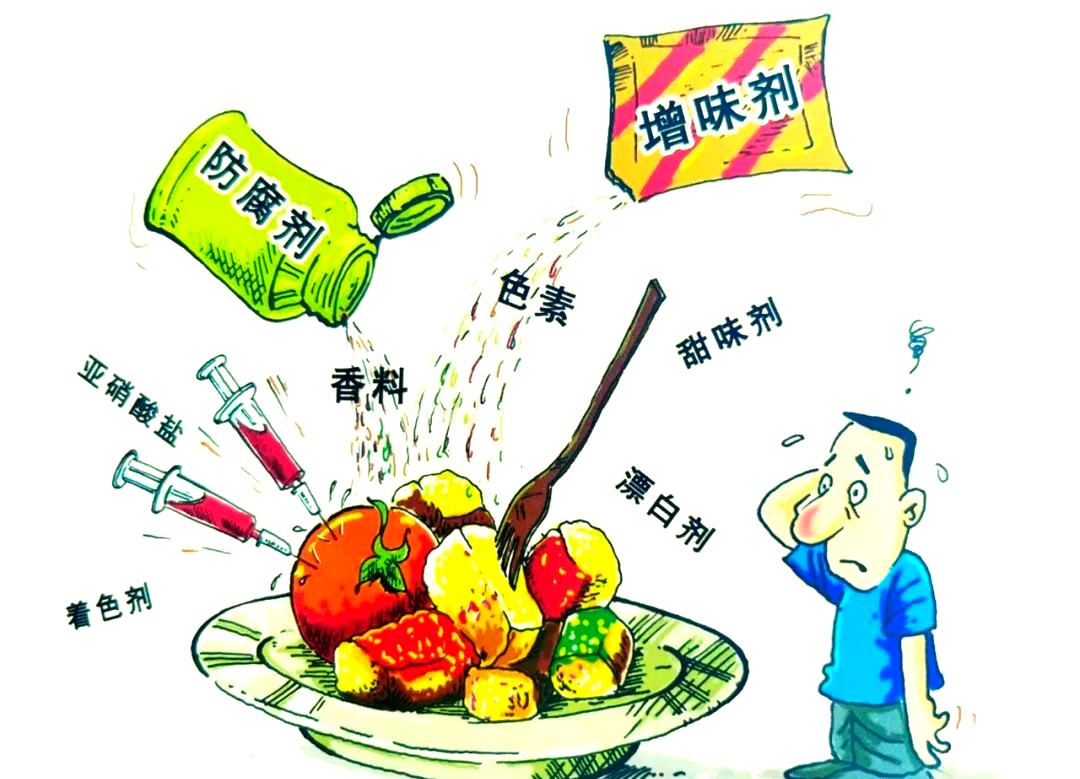
It’s actually quite simple, just look at the ingredient list when buying things! Different countries have different labeling methods, but they will all clearly state:
Domestically, it is generally written directly as “Tartrazine”.
EU: Logo “E102” or “Tartrazine”, if intended for children, may also include a warning that “may affect children’s attention”.
Also, it should be noted that Tartrazine may be mixed with other pigments, such as green or orange, so it is not only available in yellow products
Small supplement
Different countries have different restrictions on its use. For example, some European countries used to not allow its use, but now they allow it, but the warning is very strict; Many countries in the United States and Asia allow normal use, as long as it does not exceed the standard.
Nowadays, people prefer natural products with clean ingredient lists, and many businesses are no longer using synthetic pigments like Tartrazine. Instead, they are using natural pigments like curcumin and cochineal orange. If you want to buy additive free products, you can pay more attention to the ingredient list
The reason why Tartrazine can be seen in many products is that it has many practical uses, which are convenient and worry free for daily use. However, there are also more and more natural alternatives available now.
1.Make things look more appetizing:
Let’s first check our appearance when eating! Tartrazine has a bright color, like the “ripe and delicious” yellow of fresh lemons and bananas, which can make people have a desire to eat and drink at a glance, especially children, who are particularly attracted by this bright color.
2.Color standardization and consistency:
The colors of natural ingredients are always different, for example, lemons of the same variety may have yellow accents and lighter shades. After adding Tartrazine, whether it’s beverages or snacks, the colors produced from different batches can remain consistent. We can see the familiar look every time we buy, and we feel more at ease.
3.Prevent discoloration after processing:
Many foods require heating, freezing, or sun drying during processing, which can cause natural colors to fade or even disappear. Tartrazine is particularly “durable”, whether cooked at high temperatures or left for a long time, its color is not easily changed, and it can maintain a beautiful appearance all the time. For example, canned fruits may darken in color after high-temperature sterilization, but adding a little Tartrazine can restore their fresh color.
4.Call up a special color:
Some snacks and toy paints require very bright colors that cannot be found in nature. Tartrazine can be mixed with other pigments to create various eye-catching colors, meeting everyone’s demand for novelty, especially children’s favorite colored products.
5.High cost-effectiveness and usability:
Compared to natural pigments, Tartrazine is not expensive and can produce noticeable colors with just a small amount, saving businesses a lot of costs when producing on a large scale. In addition, it dissolves very evenly in water, without clumping or spots, and does not affect the taste and shelf life of food, making it particularly convenient to use.
However, nowadays people prefer products with clean ingredient lists, and many businesses have started using natural pigments such as curcumin and beta carotene instead of Tartrazine. They want to maintain the appearance of their products while meeting everyone’s demand for natural ingredients


