


Isosorbide Dinitrate is an organic nitrate compound commonly used as a prescription drug in the cardiovascular system. From a chemical structure perspective, it is a nitrate ester obtained by esterification of sorbitol.
Isosorbide Dinitrate was launched in Sweden in 1946 under the trade name Harrical, in the form of tablets and ointments. In the 1950s, American chemists independently synthesized isosorbide dinitrate and launched it in the United States under the trade name Isordil. Since then, isosorbide dinitrate has been widely used worldwide. 
Isosorbide Dinitrate, also known as isosorbide dinitrate, isosorbide dinitrate, etc.
In clinical practice, it mainly exists in two forms: Isosorbide Dinitrate and the active metabolite Isosorbide Dinitrate.
Isosorbide Dinitrate itself is a prodrug that needs to undergo metabolic transformation in the liver to partially transform into ISMN in order to exert its strongest pharmacological effects. Modern pharmaceutical formulations tend to directly use isosorbide mononitrate because of its higher bioavailability, small individual differences, and more stable efficacy, making it the preferred ingredient for many long-acting formulations.
Its most common dosage forms include:
Tablets: divided into regular tablets and sustained-release tablets. Flat tablets have a short duration of action and are commonly used for prevention; Extended release tablets can maintain their efficacy for a long time and reduce the frequency of medication.
Sublingual lozenges: mainly used for acute attacks of angina pectoris, can be quickly absorbed through the oral mucosa, avoiding the first pass effect of the liver and quickly taking effect.
Spray: It is also used for acute attack, and its effective speed is even faster than that of sublingual buccal tablet.
Therefore, Isosorbide Dinitrate is not just a simple drug name, it is a drug family that contains different ingredients and formulations to meet different clinical needs.
The core use of Isosorbide Dinitrate is to prevent and treat angina pectoris.
1. Preventing angina attacks: This is the most important and widespread use. By regularly taking long-acting preparations, it is possible to dilate coronary arteries and peripheral blood vessels, reduce myocardial oxygen consumption, significantly reduce the frequency and severity of angina attacks, and improve patients’ exercise tolerance and quality of life.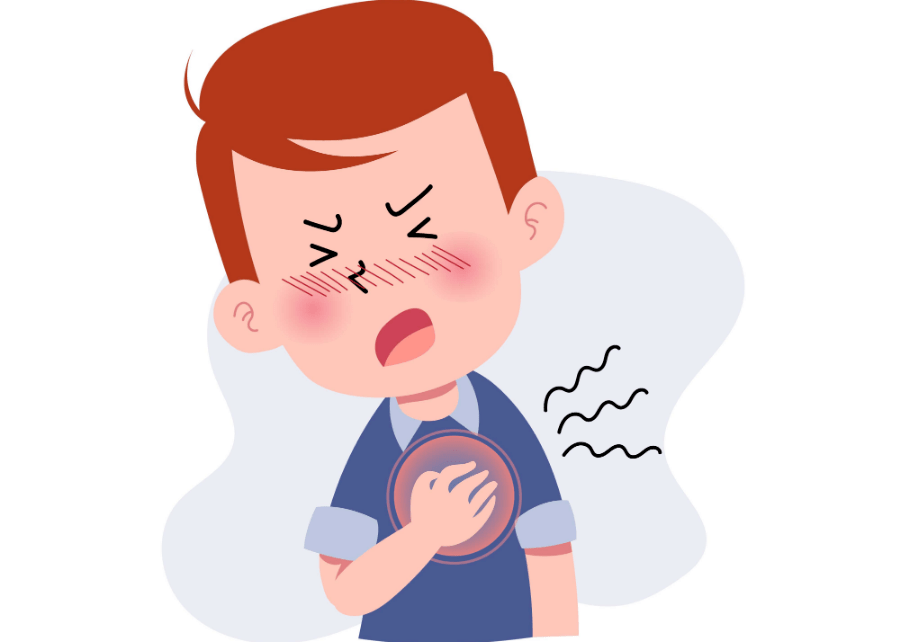
Patients can take it in advance before engaging in activities that may trigger angina to achieve preventive effects.
2. Treatment of acute angina pectoris attack: Isosorbide Dinitrate sublingual tablet or spray can be used for sudden attack of angina pectoris, which can quickly take effect within one to two minutes, relieve severe chest pain, oppression and other symptoms, and is the “life-saving drug” for patients.
3. Isosorbide dinitrate is used as an adjuvant treatment for chronic heart failure. It is usually combined with hydralazine. This combination can dilate arteries, veins and reduce anterior and posterior loads on the heart. It also improves heart function and relieves symptoms like fatigue and breathing problems. This combination has been shown to be beneficial for heart failure patients.
Isosorbide Dinitrate’s mechanism of action can be described as “pulling 1,000 pounds with only four ounces”.
Let’s look at the process together. It is both complex and beautiful.
▲ Release of Nitric Oxide: Under the influence of enzymes, isosorbide-nitrate molecules are able to enter smooth muscle cells of the vascular system and release nitric oxygen. The body’s signaling molecule, NO (formerly called “endothelial-derived relaxing factor”) is very important.
▲ Activate the guanylate-cyclase enzyme: The NO released activates this key enzyme, guanylate-cyclase.
▲ Elevated levels cyclic guanosine monphosphate: Activated sGC is responsible for catalyzing the conversion of triphosphate guanosine to cyclic guanosine. CGMP, the second messenger within cells, is directly responsible for vasodilation.
▲ Vascular smooth muscles relaxation: Elevated levels of cGMP activate a series protein kinases that ultimately lead to a reduction in calcium ions in vascular smooth muscles cells. This leads to smooth muscle relaxation and vascular dilating.
Three aspects of the overall treatment effect of Isosorbide Dinitrate on angina pectoris are: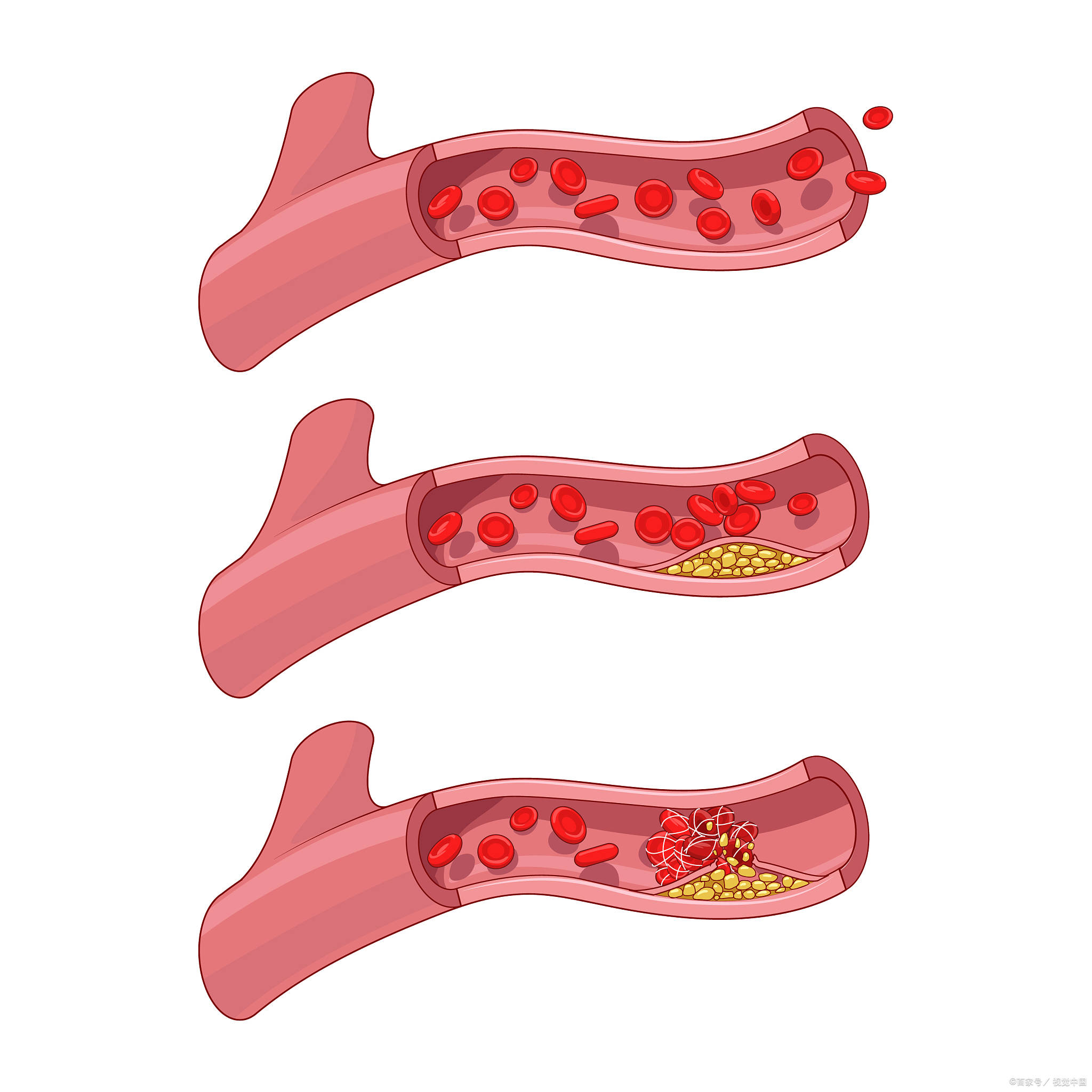
♦ Dilation: The priority is to dilate the veins throughout the body. This causes a large volume of blood to collect in the peripheral veins, and reduces the blood flow to the heart. The tension in the ventricular walls of the heart is reduced, as well as the amount of work performed by the heart when it contracts. This reduces myocardial consumption of oxygen. This is the primary mechanism of relief for angina pectoris.
♦ Dilated arteries : Reduce peripheral vascular resistence, further reduce cardiac burden and lower oxygen consumption.
♦ Expand coronary vessels: Increase blood and oxygen flow to the ischemic myocardial regions by expanding coronary arteries.
Isosorbide Dinitrate is a drug that uses two approaches to balance oxygen supply and demand within the myocardium. This helps relieve angina pectoris.
Isosorbide Dinitrate is clearly classified as a nitrate ester drug under the category of anti angina drugs.
In a broader pharmacological classification, it is also classified as a vasodilator because it works by directly relaxing vascular smooth muscle.
It is worth noting that although Isosorbide Dinitrate can lower blood pressure, it does not belong to the category of first-line antihypertensive drugs because it is mainly used for angina pectoris, blood pressure reduction is its derivative effect, and long-term use can easily develop tolerance.
The family members of Isosorbide Dinitiate also include:
☛ Nitroglycerin: has the fastest onset of action and is mainly used for acute attacks.
☛ Pentanitrate ester: a nitrate ester drug with a longer action time.
Therefore, when doctors prescribe nitrate drugs, Isosorbide Dinitrate is one of the important choices.
Can Isosorbide Dinitrate lower blood pressure? ——Can.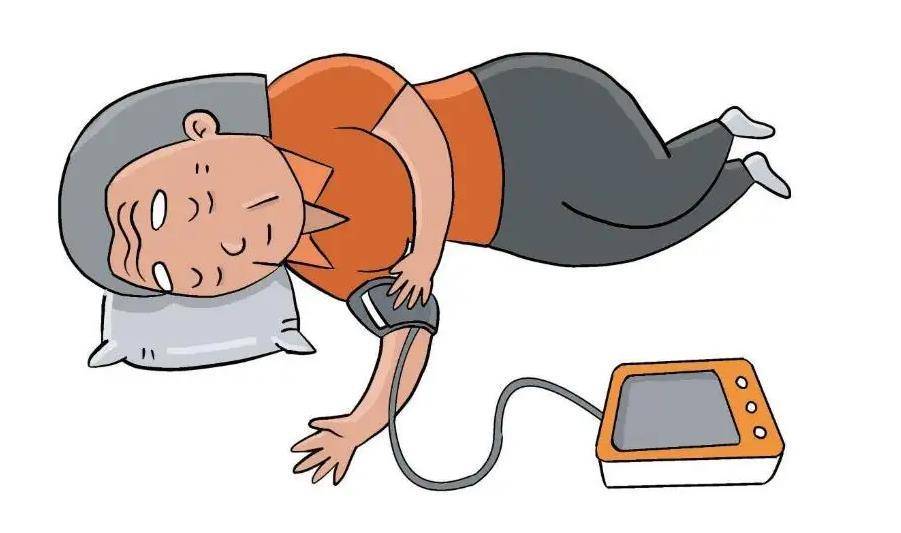
The vasodilatory effect of Isosorbide Dinitrate will inevitably lead to a decrease in blood pressure. Dilating veins reduces the amount of blood returning, and dilating arteries reduces peripheral resistance, both of which can lower arterial blood pressure.
Therefore, hypotension is a very common side effect of Isosorbide Dinitrate, especially during initial medication, excessive dosage, or sudden changes in position. Doctors will closely monitor changes in patients’ blood pressure during the initial stages of medication. For patients with angina pectoris who also suffer from hypertension, this may be a beneficial effect, but it cannot be used as the first choice for routine antihypertensive treatment.
Can Isosorbide Dinitrate lower heart rate? ——Usually not, it may instead cause reflexive heart rate acceleration.
This is a common misconception. Isosorbide Dinitrate usually does not directly lower heart rate. On the contrary, due to vasodilation causing a decrease in blood pressure, the body will activate compensatory mechanisms to maintain blood pressure stability.
This mechanism is mainly achieved by activating the sympathetic nervous system, manifested as reflexive heart rate increase and mild enhancement of myocardial contractility. This is the body’s natural response to trying to counteract low blood pressure.
Therefore, increased heart rate is another common side effect of Isosorbide Dinitrate. In some patients, this type of tachycardia may actually trigger angina.
If heart rate control is required, doctors usually use a combination of beta blockers to counteract this reflex response and synergistically reduce myocardial oxygen consumption.
✎ 1.Headache: This is the most common and typical side effect of Isosorbide Dinitrate, with a very high incidence rate. This is caused by cerebral vasodilation, usually pulsatile headache.
This type of headache often occurs in the early stages of medication, and after continuous use, the body gradually tolerates it, and the headache will alleviate or disappear. If the headache is severe and unbearable, do not stop taking the medication on your own. You should consult a doctor, who may recommend starting with a smaller dose and gradually increasing it to the target dose, or suggest using some mild painkillers.
✎ 2.Facial flushing, dizziness, and vertigo: caused by vasodilation.
✎ 3.Reflex tachycardia: As mentioned earlier, it is caused by a decrease in blood pressure.
✎ 4.Hypotension: It may manifest as dizziness when standing, especially when getting up too quickly.
✎ 5.Nausea and vomiting: relatively rare.
Proper use is the key to ensuring efficacy and safety. The usage method and dosage must be carried out under the guidance of a doctor:
Formulation selection:
Preventive medication: Isosorbide mononitrate sustained-release tablets are usually used once a day. Or use Isosorbide Dinitrate regular tablets 2-3 times a day.
In case of acute attack, take sublingual medicine or oral spray, sit down and rest, and then relieve the symptoms. If it is ineffective once, it can be repeated every 5 minutes. If it does not improve three times in a row, emergency calls should be made immediately.
Dosage: There is a significant individualized difference in dosage. The initial oral dose is usually low and gradually adjusted according to the response. Sustained release tablets should not be broken or chewed.
Avoiding drug resistance dosing regimen: This is the golden rule for the use of nitrate drugs. To maintain drug sensitivity, it is necessary to ensure a drug free period of 8-12 hours per day.
For sustained-release isosorbide mononitrate tablets, a daily morning intake plan is usually adopted to ensure that the blood drug concentration is minimized at night, thereby restoring vascular reactivity. It is absolutely forbidden to take long-acting preparations at even intervals within a day without leaving a drug free interval.
✎ 1.Bring first-aid medication with you. Even if you take Isosorbide dinitrate regularly, you should also carry sublingual nitroglycerin sprays or tablets for acute attacks.
✎ 2.Record the condition. Record the frequency, the causes, the duration and the relief methods for angina attacks. Provide these details to your doctor at a follow-up visit.
✎ 3.Adopt a healthy lifestyle. Medication should be used in conjunction with lifestyle changes such as a low salt, low fat diet, alcohol and smoking restriction, moderate exercise and weight management.
✎ 4.Follow-up with a doctor: Be sure to follow all medical advice. Have regular check-ups. Doctors can evaluate the efficacy of the medication, monitor side effects and adjust dosage.


