


Tranexamic acid is a synthetic lysine-derived drug that belongs to the anti fibrinolytic class. It has been widely used since its development by Japanese researchers in the 1960s.
Tranexamic Acid is a complex chemical compound that works by inhibiting plasminogen activation. However, this is just one part of the mechanism.
It is classified in the medical world as either a prescription or over-the counter drug. Common dosage forms are oral tablets, topical preparations, and injections.
Recent attention has been drawn to the addition of Yunnan Baiyao to toothpaste. This medicine is used widely in clinical practice, and it plays a vital role in stopping bleeds. This drug is considered to be a miracle hemostatic, and it’s primarily used after major surgery or during postpartum.
Many toothpaste additives are designed to stop bleeding. Tranexamic Acid’s discovery is legendary.
Tranexamic Acid has not only been used to treat diseases but also received attention for its exceptional performance in skincare. It reduces pigmentation and improves uneven skin tone. Tranexamic Acid is a versatile product that can be used in beauty regimens or medicine cabinets. However, it’s important to understand all the information before using it.
Tranexamic Acid is derived from the natural compound, e-aminocaproic acid. Tranexamic Acid has been optimized by scientists to have stronger effects with fewer side-effects.
It is now included on the World Health Organization Essential Medicines List. This shows its importance to the global healthcare system. Tranexamic Acid’s primary function in clinical practice is to control bleeding. However, it also has anti-inflammatory properties and protects the skin, which is why it was extended to cosmetic uses.
Understanding the definition of Tranexamic Acid will help users distinguish it from similar drugs, and prevent common misconceptions such as mistaking the drug for an antibiotic or hormone.
Tranexamic Acid is used in many different fields, from emergency medicine to everyday beauty. It is used primarily in the medical field to control and reduce excessive bleeding. Tranexamic Acid, for example, is used during surgery to reduce intraoperative bleeding, thus reducing the need of blood transfusions.
Tranexamic Acid can reduce bleeding risk by 30% when used before major surgery. This is especially important for patients at high risk. It is also the first line treatment for excessive bleeding during menstruation. Tranexamic Acid is a treatment that can help women who suffer from anemia and a decreased quality of their life because of excessive menstrual bleeding.
Tranexamic Acid, in addition to its traditional medical uses, is gaining rapid popularity in the cosmetics industry. It is used as a skincare component to treat melasma and post-inflammatory pigmentation.
It works by suppressing the activity of plasminogen, which in turn reduces the activation and pigmentation of melanocytes. Tranexamic Acid is a powerful ingredient that can improve skin uniformity. Many clinical studies confirm this.
Tranexamic Acid is also being studied for treating rosacea as well as erythema. It can reduce inflammation and vasodilation.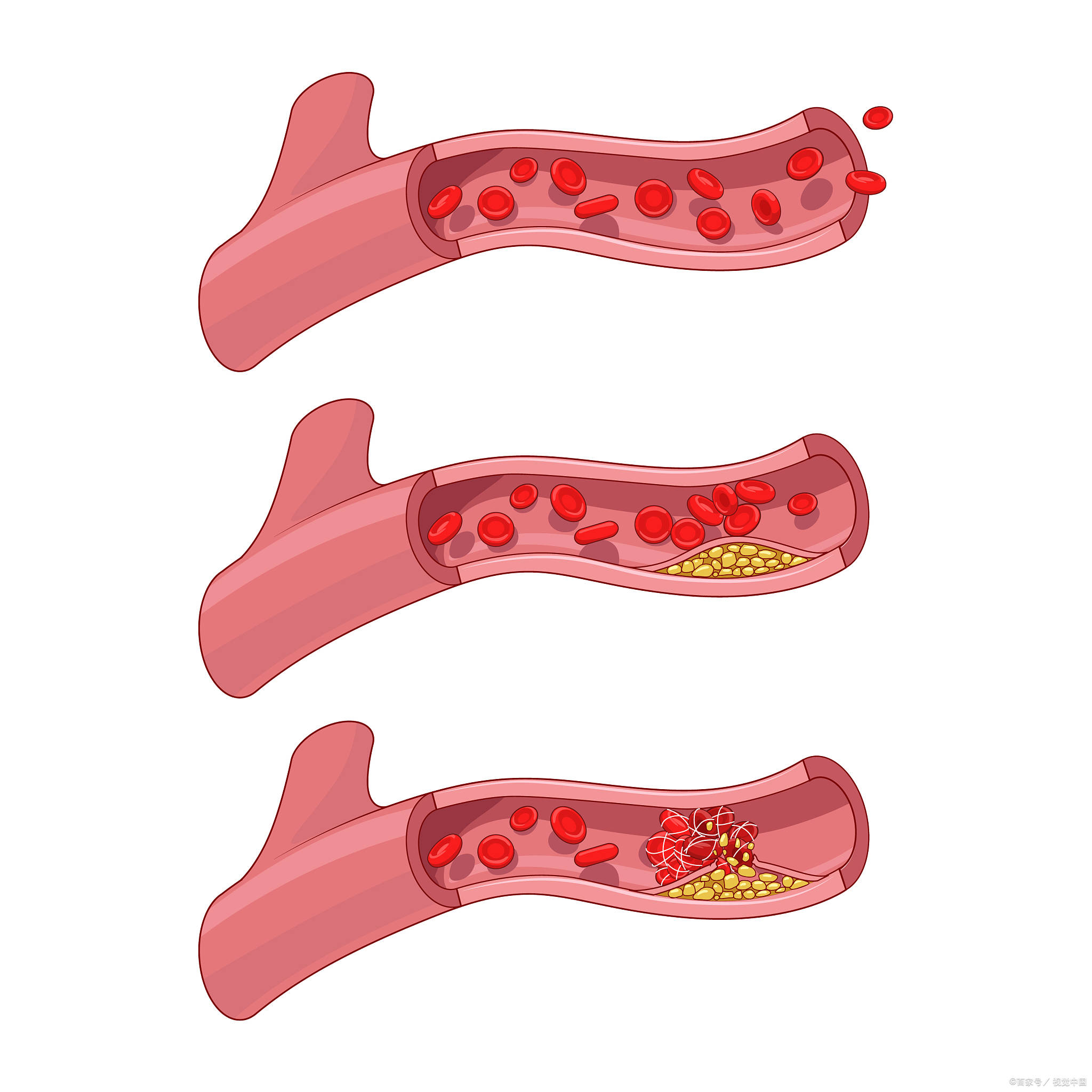
Tranexamic acid is also used to prevent hereditary angioedema, and manage post-traumatic blood loss. The World Health Organization has recommended its use as an emergency treatment for postpartum hemorrhage. This has saved many lives in resource-scarce areas.
The US military confirmed in 2012 that giving Tranexamic Acid as a treatment to severely injured patients who required extensive blood transfusions improved the survival rate compared to those patients receiving only blood. It is mainly used to treat surgical bleeding due to fibrinolysis or gynecological surgery bleeding.
It is effective in reducing central nervous system bleeding due to its ability of penetrating the blood-brain barriers. Tranexamic acid is a synthetic medication that inhibits fibrinolysis. Stress reactions can be caused by surgical trauma or other factors, which result in an increase in fibrinolysis. Tranexamic Acid binds reversibly to the lysine sites on plasminogen. This prevents the activation and degradation of fibrinogen.
Tranexamic Acid has many uses, and there are plenty of evidence to support them. However, users must choose the dosage form and method that best suits their needs.
Tranexamic Acid’s principle of action is based on the precise regulation of fibrinolytic systems. The fibrinolytic mechanism is an important part of the body’s balance between coagulation, bleeding and clotting. It breaks down blood clots in order to prevent vascular obstruction. This system can be overly active and cause prolonged bleeding or increased bleeding volume.
Tranexamic acid inhibits plasminogen activater from binding to fibrin. This prevents the conversion of fibrin into plasmin.
Tranexamic Acid works like a “lock”, blocking the “keyhole” through which the fibrinolytic systems can activate. This slows down the blood clot break-down and promotes hemostasis.
Tranexamic Acid, which has a similar structure to lysine at the molecular scale, can embed itself into the binding site for plasminogen. However, this binding is reversible and does not alter the physiological processes of the human body permanently. This mechanism is especially effective in areas where there are many blood vessels and plasminogen concentrations are higher.
Tranexamic Acid reduces excessive bleeding in excessive menstruation by inhibiting the fibrinolytic process locally. It also reduces blood loss during surgery by protecting blood clots.
Tranexamic Acid‘s mechanism of action is more complex in skincare. It not only inhibits the plasminogen but also reduces inflammatory factors like prostaglandins, interleukin-1 and other inflammatory mediators that stimulate melanocytes into producing excess pigment.
It may also interfere with the pathway of signaling for vascular endothelial-growth factor. This can reduce skin erythema, and dilation. Tranexamic Acid’s multi-targeted mechanism is the reason it is more effective than other single component products in treating melasma.
Tranexamic Acid has a localized and temporary effect, and the body will return to normal fibrinolytic functions after discontinuation. Long-term use is usually under medical supervision in order to prevent risks like thrombosis.
Tranexamic Acid‘s onset depends on the dosage, administration method and use.
When oral preparations are used to control acute bleeding, the drug concentration in the blood reaches its maximum within 1-3 hours of taking the medication. This means that hemostatic effects may start to appear during this time. In the case of excessive menstrual blood loss, women may notice a reduction in bleeding in their first cycle. However, the full effect is usually not seen until 2-3 cycles. Tranexamic Acid intravenous can be used as a preventive measure before surgery. Its effects are immediate and last about 3-6 hour, which is critical bleeding time for most surgeries.
Tranexamic acid is slower acting when used locally because it must penetrate the skin barrier to take effect. Users will see noticeable improvements in their pigmentation after 4-8 weeks. Significant results may only be visible after three months.
Clinical studies have shown that after 12 weeks, 60% of users see significant improvements in their melasma when using skincare products containing Tranexamic Acid 2.5%. This delayed effect is due to the longer skin renewal cycle, and the need for additional time to reverse pigmentation.
Individual differences can also influence the onset of symptoms. Pharmacokinetics can be affected by factors such as liver function and age. Individuals with renal insufficiency, for example, may be able to clear medications slower, prolonging the duration of the action but increasing the risk of side-effects.
Tranexamic Acid is best used in an emergency. The World Health Organization suggests using it within three hours of the injury.
Tranexamic Acid is a powerful anti-bleeding agent that can be used to control bleeding in acute situations. However, it will not work for chronic problems.
Tranexamic Acid’s application in the skin field is an amazing expansion and sublimation. It’s not just about “plugging holes”, but it also acts on complex physiological processes in the skin. This makes Tranexamic Acid a “versatile solution” to many stubborn skin problems.
1. The best spot whitening effects
Tranexamic Acid is a highly acclaimed ingredient for skin care, particularly when it comes to pigmentation disorders such as Melasma. Its mechanism is different from that of traditional whitening agents. It’s more like a clever’mediator’, which prevents “disputes”.
Skin keratinocytes, under UV irradiation and inflammatory conditions produce large amounts of plasminogen activater, which produces plasmin. Fibrinolytics enzymes stimulate the melanocytes to work overtime in order to produce melanin.
Tranexamic acid can inhibit plasminogen in a highly competitive manner, cutting off the chain of transmission of the production instruction. Melanocytes are unable to receive signals and naturally reduce the production of melanin. This approach to upstream intervention is more gentle and fundamental than just inhibiting tyrosinase, or accelerating the exfoliation.
Researchers found that patients with Melasma often had damaged skin barrier, making the skin more susceptible to external stimuli. External stimuli may cause inflammation and pigmentation. Tranexamic Acid can restore healthy barrier functions of the skin, reduce transdermal water loss, and increase skin resistance. This makes it less likely that minor stimuli will trigger pigmentation.
2.Anti-inflammatory and strong anti-redness abilities
Face flushing and telangiectasia are two of the most common symptoms of rosacea. Tranexamic acid can reduce facial erythema by inhibiting VEGF. It also helps to relieve the burning sensation.
It is believed that the red marks left behind after acne subsides are caused by inflammation, which leads to capillary dilation. Tranexamic Acid’s anti-inflammatory properties and vascular repair effects can help to accelerate the disappearance and prevention of brown pigmented scars.
3.Anti-aging and improving overall skin quality: The “invisible guardian of the skin”
Skin aging is primarily caused by long-term exposure to ultraviolet radiation. Tranexamic acid can help reduce photodamage, and maintain youthful skin through its anti-inflammatory functions and protective barrier.
Tranexamic Acid is a great ‘companion for those using powerful ingredients’. It can reduce the redness and irritation that some ingredients cause. It also increases skin tolerance and makes the skincare process more effective.
Tranexamic acid is contraindicated in patients with hematuria. This is mainly due to the fact that it can cause or worsen obstruction of the urinary tract, which may lead to acute kidney injury, or even renal failure. Hematuria is usually caused by bleeding in the renal or urinary system. Tranexamic Acid can stop bleeding and prevent it from occurring.
These blood clots may block the urethra or ureter, causing pain, urinary obstruction, and secondary infections. In severe cases of obstruction, surgical intervention may be required, increasing the complexity and cost of treatment.
Pathophysiologically, hematuria can be caused by kidney stones, tumors or glomerular disease, in which the bleeding may occur deep within the renal system. Tranexamic acid is present in high concentrations in urine. However, it does not distinguish between normal coagulation and pathological bleeding, which can lead to excessive stabilization.
Researchers have found that those who suffer from hematuria and use Tranexamic Acid are at a higher risk of developing kidney damage. This is especially true for the elderly or people with kidney disease. Tranexamic Acid, which is excreted primarily through the kidneys and decreases clearance rates in patients with renal failure, can accumulate toxicities.
This taboo is mainly applicable to systemic administration. Tranexamic Acid is not absorbed well and does not usually pose a risk for local application. However, doctors will still evaluate the overall risks. Tranexamic Acid is prescribed to patients with a history hematuria. The medical team closely monitors urine output, renal function indicators and may consider alternative medications or lower doses.
Tranexamic Acid is only used during pregnancy with extreme caution. It is usually prescribed under medical supervision, when the risks outweigh any benefits. Tranexamic acid is classified as Class B for pregnancy, meaning it could be relatively safe but large-scale studies have not confirmed this.
It is used primarily to control life-threatening blood loss during pregnancy. This includes postpartum bleeding or intraoperative bleeding. These situations pose a greater risk for both mother and child than any possible side effects. The World Health Organization, for example, recommends the intravenous administration of Tranexamic Acid to treat postpartum bleeding. This has been proven to reduce mortality rates.
Tranexamic Acid should not be used during pregnancy, even in non-emergency situations. This is especially true for oral forms. Tranexamic Acid may cross the placental membrane, which could affect the coagulation systems during the development of the fetus, but the evidence for this is not sufficient.
Second, hormonal changes in pregnancy can alter the drug metabolism and lead to unpredictability of doses. Tranexamic Acid side effects can also exacerbate pregnancy-related discomforts, like morning sickness.
Tranexamic Acid can be used topically for skincare. It is considered safe due to the limited absorption of skin. However, pregnant women should consult their doctor before using.
Experts recommend non-pharmacological interventions during pregnancy. If needed, use the lowest dose in the shortest time possible and avoid early pregnancy as this is an important period for organ development.
Tranexamic Acid is not prohibited during pregnancy, but it is never recommended to self-medicate. Always consult with an obstetrician before taking any medication.


